Client
Agado Live · Digital Health
Services
Service Design
UX/UI
Prototypes
User Testing
Year
2026
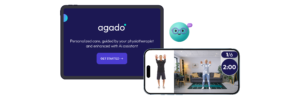
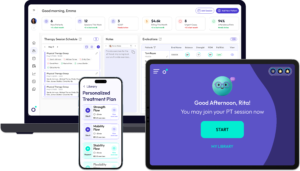
Digital rehabilitation platform for people with Parkinson’s and their physiotherapists. Agado combines remote physiotherapy, AI-powered movement analysis, and human care to help patients exercise independently at home while staying connected to their therapist.
As the sole Product Designer and UX Researcher, I led the research and end-to-end UX/UI design across the patient and clinician platforms, collaborating closely with a talented cross-functional team across product management, engineering, data analytics, and QA.
Combining my experience with new AI tools enabled me to work faster and more efficiently across multiple product experiences.
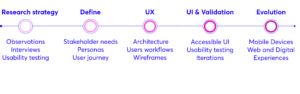
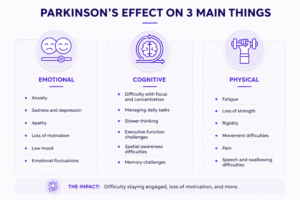
My challenge was to translate complex physical, cognitive, and clinical needs into simple, accessible experiences while connecting both sides of care into one system. My work combined field research with patients in their homes, interviews and usability testing with physiotherapists, and continuous design and validation as the product evolved.
The Process 

2. From Research To Design
Beyond the screen
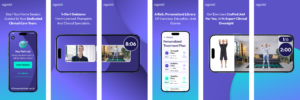
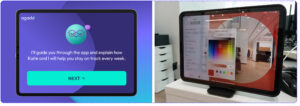
Rehabilitation takes place in a physical environment, often several feet away from the device. I therefore designed the experience as one connected journey, considering every touchpoint, from unboxing and preparing the space to positioning the device, understanding the guidance, and exercising independently.
Designing for accessibility and independence
Research shaped design principles for the patient experience: clear guidance, reduced cognitive load, simple interactions, and accessible visual and audio feedback. These principles helped make each step easier to understand and complete independently, while supporting continued engagement over time.
Clarity · Accessibility · Confidence · Independence

3. Two Interfaces. One System.
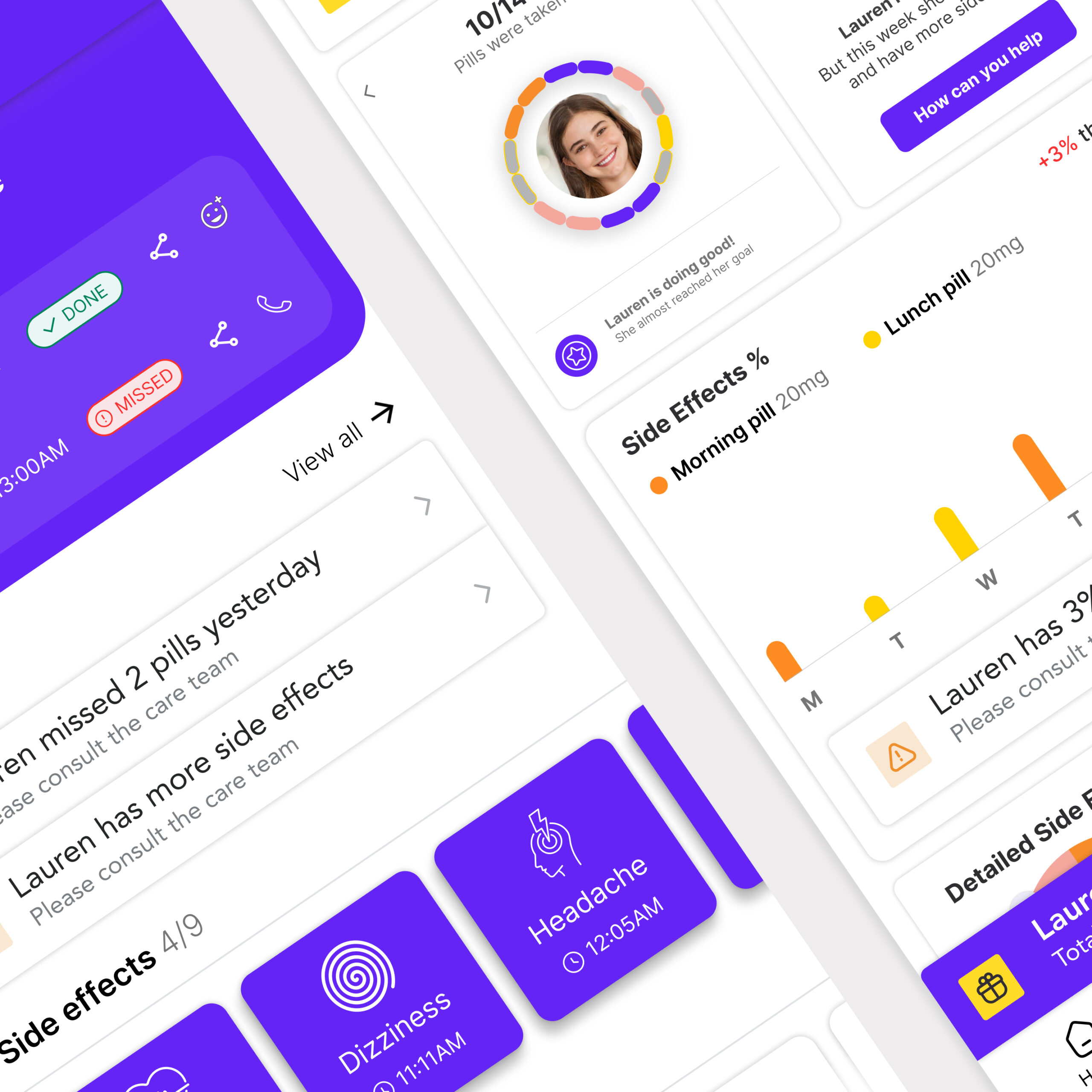
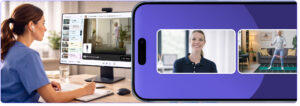
The patient and clinician experiences were designed as connected parts of the same service, each with different needs and priorities. Across both experiences, I focused on clarity, intuitive workflows, and reducing complexity while preserving the human connection behind care. This allowed the technology to support both patients and clinicians without replacing professional judgment or human interaction.
4. Continuous Research & Iteration
Observe → Explore → Prototype → Test → Refine.
Research remained part of the design process throughout development. I continuously moved between real-world observation, design, prototyping, and usability testing, using feedback from patients and healthcare professionals to refine the experience.